


The Amphibian Life Raft
The next chapter of our adventures started in Quito a few days ago. We arrived at our recommended accommodation tired from the journey, and were both heading straight for our beds. But first, I'll "just pop into the reception and check us in" while Phil's getting change for the taxi. Easier said than done, I soon learnt. I got sent up a set of stairs, and then another one, until I found myself on a rooftop bar on the fifth floor. The receptionist's T-shirt proudly informed me that "Life is better when you're high! This hostel is at 2800 meters". The amazing view of the valley should have made me feel good, but the thin air and all the steps made me feel dizzy, and the sight of the barista pouring three shots of tequila even more so. Not much else happened that night!

The next morning we headed straight to "La Balsa de los Sapos", an impressive captive breeding project, to meet with our local partners. I interviewed our local partner at the university, Andrés Merino, director of La Balsa, for my master's project and it was great to meet him in person. I also met Freddy Almeida, manager of La Balsa, who will be joining us in the field. Phil then introduced me to the team at the herpetological museum (QCAZ) next door, who do a lot of the taxonomic work and maintain a state of the art website and database of the frogs and reptiles of Ecuador. Then, Phil spent most of the morning showing me around the collection. The aim of the project is to create assurance populations for species that are threatened in the wild. That way, individuals can be reintroduced once the habitat becomes suitable again, or when we find a way of curing wild populations of the chytrid fungus. Hence the name - the amphibian life raft. When we arrived, a film crew from England was filming a short story on a species called the Quito rocket frog. The species was once widespread but is now only found in one stream at the foot of the Cotopaxi volcano. The declines are most likely due to the chytid fungus, and the species is considered Critically Endangered. When a warning was issued in 2016 that the volcano is due to erupt, concerns were raised that an eruption would melt the ice cap of the volcano, resulting in mud slides which would fill up the last remaining stream of the species, wiping out their existence. At la Balsa, a captive breeding programme has fortunately been set up for the species, especially considering it hasn't bee seen at the stream for over a year. But la Balsa is a really big project which extends past assurance populations. The 72 species of the Balsa are located in a large facility in a university, Pontificia Universidad Catlólica de Ecuador (PUCE). The project does an incredible amount of education and research, and is a popular choice for student projects and volunteer placements. I guess Ecuadorians have a bigger natural appreciation of their diverse and beautiful frogs, than we do back home.


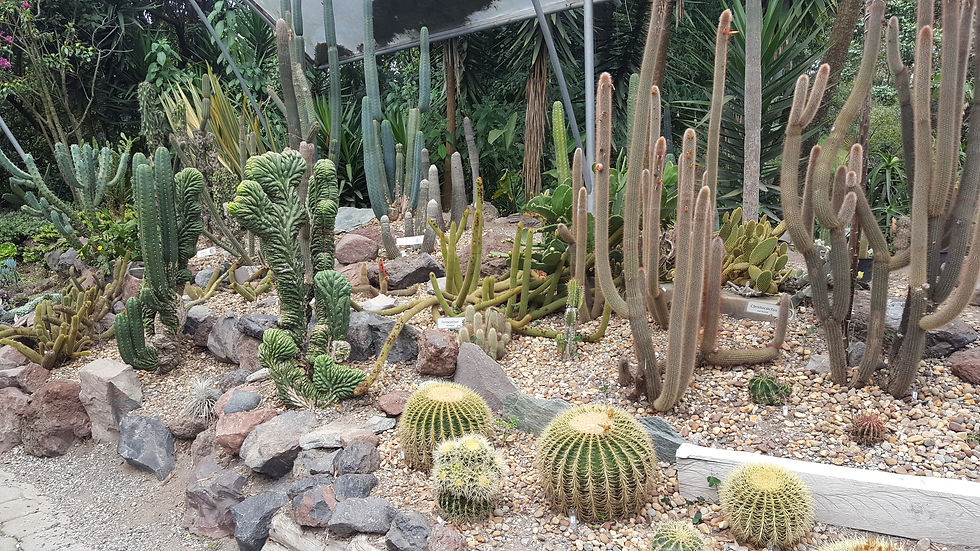
After a morning at the university we went to explore the green spaces of the city. We started in a big park which was crowded with families exercising on their Sunday off. We then headed to Quito Vivarium, a public reptile and amphibian exhibition. We came just in time for an information session and got shoved into a small room full of local parents and children, and a brilliant presenter informing about the different species of snakes and how to treat a snake bite (all in Spanish). After exploring the rest of the collection, we headed to the botanical gardens, with amazing displays of orchids, cacti, carnivorous plants, and randomly, a Japanese bonsai garden. Content with our urban discoveries, we were feeling prepared for the trip, but then...

Next day came around as quickly as the last day had gone, and It is becoming clear that of Phil's many talents, planning is not one. So I stepped up to the task and built a list of last minute equipment and supplies to pick up from the supermarket and a camping shop. We also had to nail down details of our control sites and species, which had to change following our change of species. When everything was in place, we headed off on our adventure. More about that in the next blog!

Comments